For this activity, I selected Uniqlo as my chosen brick-and-mortar retailer. Uniqlo is a globally recognized Japanese brand known for delivering high-quality, functional clothing at affordable prices, positioning itself strongly within the competitive retail market.
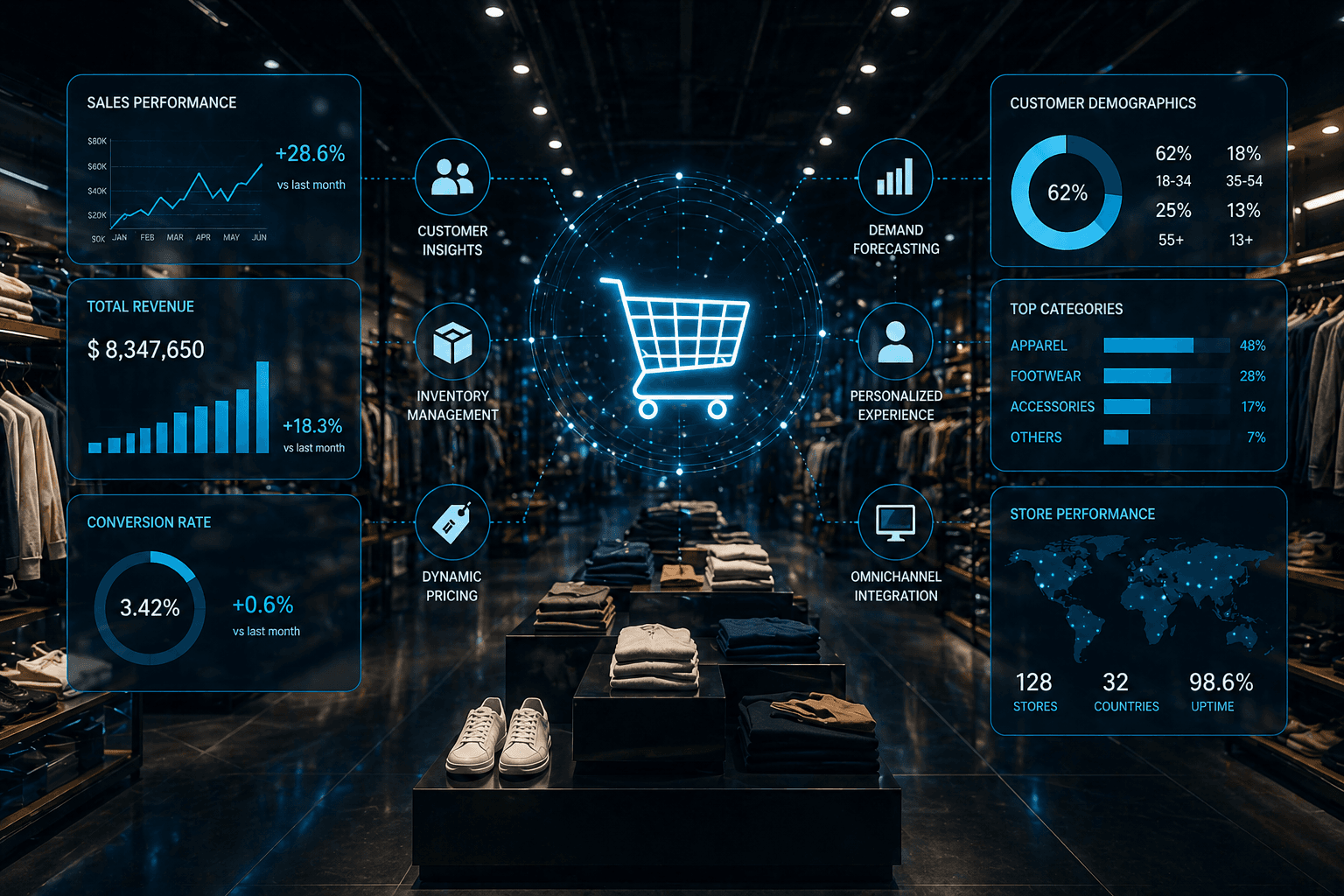
From my experience visiting a Uniqlo store in Paris, the physical retail environment is highly optimized for efficiency. One of the most notable features is the automated self-checkout system, which uses RFID technology to detect all items instantly without manual scanning. This reduces waiting time and improves operational efficiency.
Uniqlo also sells directly through its website, where the product offering is often broader than in physical stores due to the absence of space constraints. The online platform provides additional value through services such as home delivery, real-time stock visibility, and seamless navigation across categories.
However, a key limitation is that Uniqlo does not currently operate in Saudi Arabia, either through physical stores or direct shipping. This restricts market access and represents a missed opportunity in a region with strong consumer demand for international retail brands.
Key Elements of a Strong Online Retail System
- Simple and intuitive navigation
- Accurate product information and stock availability
- Fast and reliable checkout processes
- Flexible and dependable delivery options
Conclusion
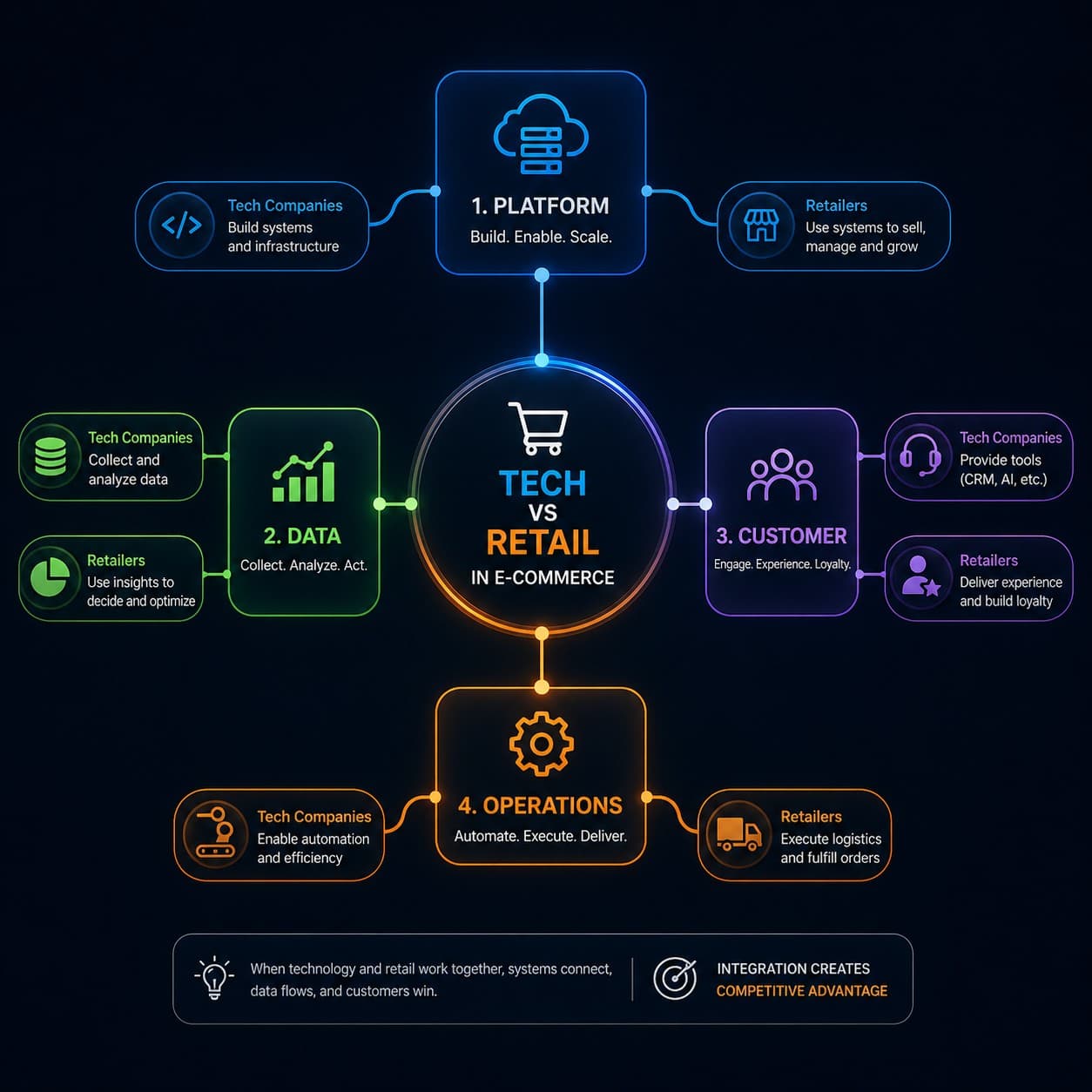
Uniqlo demonstrates how integrating physical retail systems with digital platforms can create competitive advantage by improving efficiency, enhancing customer experience, and expanding market reach.