When news broke that data from hundreds of millions of LinkedIn users was being offered for sale online, the first reaction from most people was simple: LinkedIn had been hacked.
LinkedIn’s response was equally direct: this was not a data breach. Technically, they were right. There was no confirmed break-in to internal servers. Instead, the data was collected through large-scale scraping of publicly visible profile information.
Public Access vs. Malicious Scraping
There is a major difference between normal public access and malicious large-scale scraping. One person viewing your profile is networking. Millions of profiles being harvested, cross-matched, enriched, and sold is operational exploitation.
Scale changes everything. A job title, phone number, employer, reporting line, and executive assistant details together create a perfect attack surface. Security failures come from aggregation, not one single field.
How Scraped Data Gets Weaponized
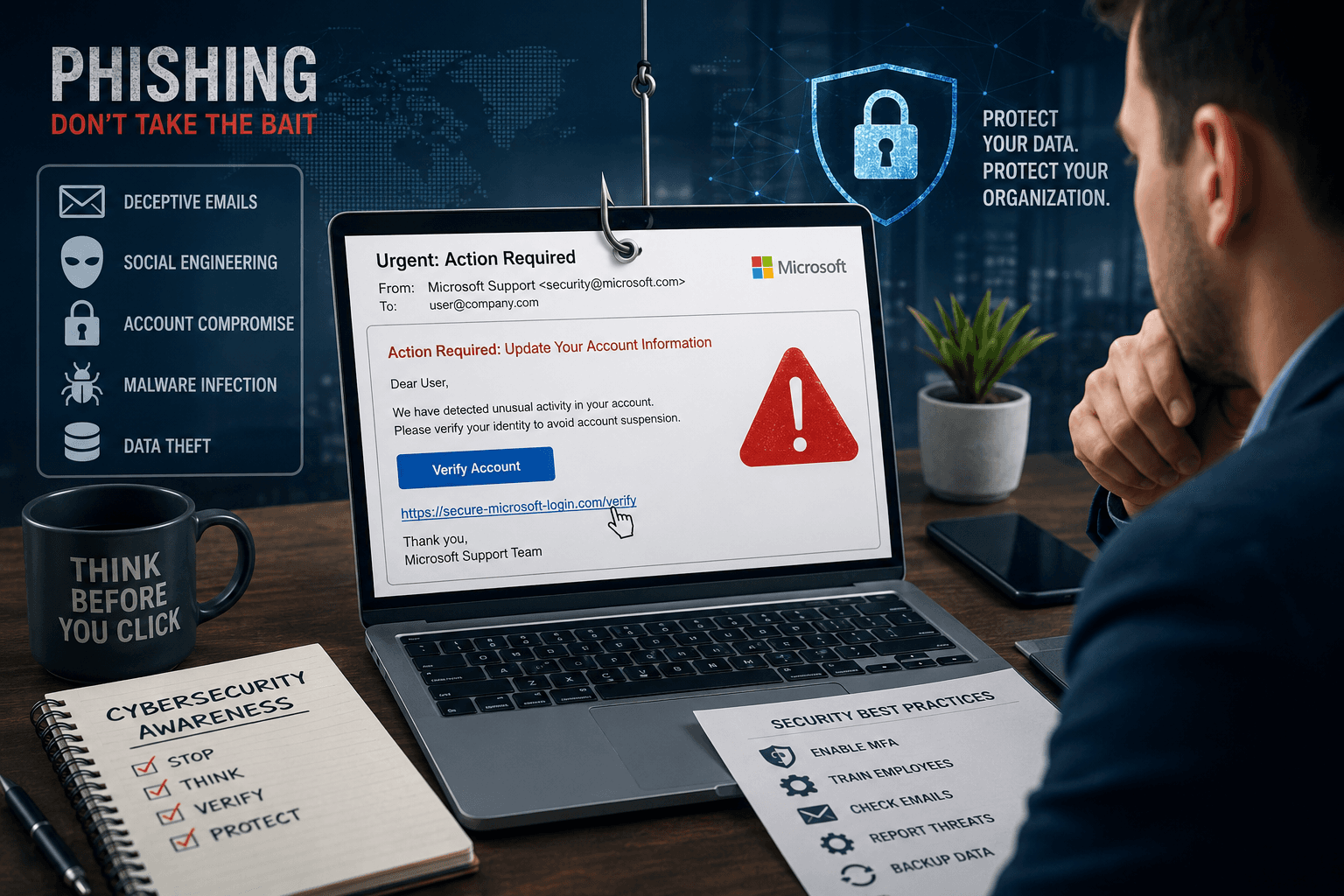
- Spear phishing using role-specific fake requests
- Social engineering using internal structure familiarity
- Executive impersonation and fraudulent approvals
- Identity targeting and vendor/payment fraud
In executive environments, one believable email can move money faster than any hacker can. That is why governance matters more than antivirus.
Public Does Not Mean Safe
The phrase 'it was public data' is weak leadership. Public visibility does not remove responsibility. If users trust your platform with their identity and professional credibility, you are responsible for preventing abuse at scale.
What Real Security Looks Like
- Role-based access control (RBAC)
- Least privilege access
- Zero trust verification
- Anti-scraping protection
- Behavior monitoring and anomaly detection
Security is not just about keeping attackers out. It is about controlling misuse of legitimate access and reducing operational risk before damage happens.
Why This Matters in Real Systems
In sports federations, ERP systems, athlete databases, government reporting platforms, and executive offices, exposed data includes passports, national IDs, medical records, visa files, salary records, and financial approvals. This is not embarrassment. This is institutional risk.
Final Thought
Secure systems are leadership decisions, not just IT decisions. Trust, accountability, and controlled access must be non-negotiable. Whether attackers hacked the system or simply abused weak controls is irrelevant. If users can be harmed, security has already failed.